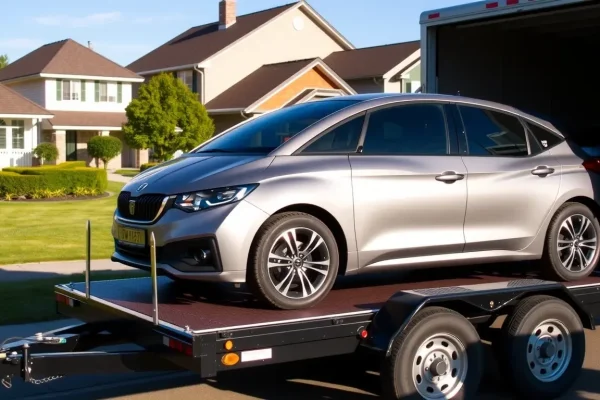
How are cars shipped overseas
Shipping cars overseas is a complex process that involves several steps and key players in the logistics and transportation industry. Whether it’s for personal use, commercial purposes, or as part of a larger export operation, understanding the intricacies of how automobiles are transported across oceans is essential. This article explores the methods, processes, and considerations involved in shipping cars overseas.
Methods of Shipping Cars Overseas
There are primarily two methods used to ship cars overseas: container shipping and roll-on/roll-off (RoRo) shipping.
Container Shipping
Container shipping involves loading cars into large, standardized freight containers. These containers are then loaded onto a vessel for maritime transit. This method offers several advantages:
- Security: Cars are protected within the container, reducing the risk of damage or theft.
- Flexibility: Multiple cars or additional cargo can be shipped within the same container.
- Protection from Elements: Containers provide protection from weather conditions during ocean transit.
However, container shipping can be more expensive due to the cost of the containers and the complex logistics involved in loading and unloading.
Roll-On/Roll-Off (RoRo) Shipping
RoRo shipping is a popular method for transporting vehicles overseas. This process involves driving cars directly onto a specialized vessel designed for vehicle transport. The significant advantages of RoRo shipping include:
- Cost-Effectiveness: Generally cheaper than container shipping due to simpler logistics.
- Efficiency: Faster loading and unloading processes as vehicles are driven on and off the vessel.
- Availability: RoRo vessels frequently operate on major shipping lines, providing regular service;
However, RoRo shipping offers less protection from external elements and potential damage compared to container shipping.
Role of Ports in Car Shipping
Ports play a crucial role in the logistics of shipping cars overseas. They serve as the points of loading and unloading, and their facilities are equipped to handle large volumes of automotive cargo. Key port activities include:
- Loading: Cars are either loaded into containers or driven onto RoRo vessels at the port.
- Unloading: Upon arrival at the destination port, cars are offloaded and prepared for further transportation or delivery.
- Customs: Ports facilitate customs inspections and documentation processing to ensure that all import and export regulations are met.
Customs and Documentation
One of the vital aspects of shipping cars overseas is navigating customs regulations and preparing the necessary documentation. This process includes:
- Customs Clearance: Ensuring that all regulatory requirements are met for both export and import countries.
- Documentation: Essential documents include the bill of lading, vehicle title, export declaration, and any necessary permits.
- Inspection: Customs may require vehicle inspections to verify compliance with import regulations.
Insurance and Inspection
Insurance is a critical component of shipping cars overseas, providing financial protection against potential damage or loss during transit. It is advisable to secure comprehensive coverage that includes:
- Damage: Coverage for physical damage to the vehicle during loading, transit, and unloading.
- Theft: Protection against theft or loss while in transit.
- Liability: Coverage for any liabilities that may arise during the shipping process.
In addition, pre-shipment inspections are often conducted to document the condition of the vehicle before shipping, ensuring accountability and facilitating claims if necessary.
Logistics and Transportation
The logistics of shipping cars overseas involves coordination between various stakeholders to ensure a smooth transportation process. Key players include:
- Shipping Lines: Companies that operate the vessels transporting the cars across oceans.
- Freight Forwarders: Logistics experts who manage the transportation process, including customs clearance and documentation.
- Port Authorities: Entities responsible for overseeing operations and security at the ports.
Shipping cars overseas involves a detailed and coordinated effort that spans several stages and requires the expertise of various professionals in the logistics and maritime industries. Whether utilizing container shipping or roll-on/roll-off methods, understanding the roles of ports, customs, and shipping lines is essential for a successful transit. Proper documentation, insurance, and inspection are also critical to safeguarding the cargo throughout its journey;