How much is it to ship a car cross country
Shipping a car cross country can be a daunting task, especially when trying to determine the cost involved․
Several factors influence the overall price of auto transport, and understanding these can help you
make an informed decision․ This guide will delve into the various aspects that affect vehicle shipping
costs, providing you with a comprehensive overview of what to expect․
Factors Affecting Cross-Country Car Shipping Costs
The cost of cross-country car shipping is not fixed and can vary based on numerous factors․ Below are the
primary elements that transport companies consider when generating a cost estimate for cross-country
car shipping:
- Distance and Mileage: The longer the distance, the higher the transportation cost․ Mileage
significantly affects the fuel costs and driving time, which are critical components of the overall price․ - Vehicle Size and Weight: Larger and heavier vehicles typically cost more to ship because they
occupy more space on the car carrier and impact fuel consumption․ - Transport Type: There are two primary types of transport: open transport and
enclosed transport․ Open transport is the most common and cost-effective method, whereas enclosed
transport, which offers additional protection, is more expensive․ - Delivery Options: Opting for a door-to-door service is more convenient but pricier compared
to terminal-to-terminal services․ - Seasonal Demand: Shipping rates fluctuate based on the time of year․ During peak seasons, such as
summer, demand is higher, leading to increased rates․ - Shipping Insurance: Most transport companies offer insurance, and the cost may vary depending on
the coverage level․ It’s crucial to ensure your vehicle is adequately protected during transit․ - Pickup and Delivery Locations: Rural or less accessible areas may incur additional charges due to
the extra effort required for pickup and delivery․
Understanding Shipping Rates and Freight Charges
Shipping rates for long-distance shipping are typically calculated per mile, but they are not
solely based on mileage․ Freight charges include a combination of factors, such as the type of
transportation service selected, the distance, and any additional services requested․
Open vs․ Enclosed Transport
Choosing between open and enclosed transport is a significant decision that impacts the cost:
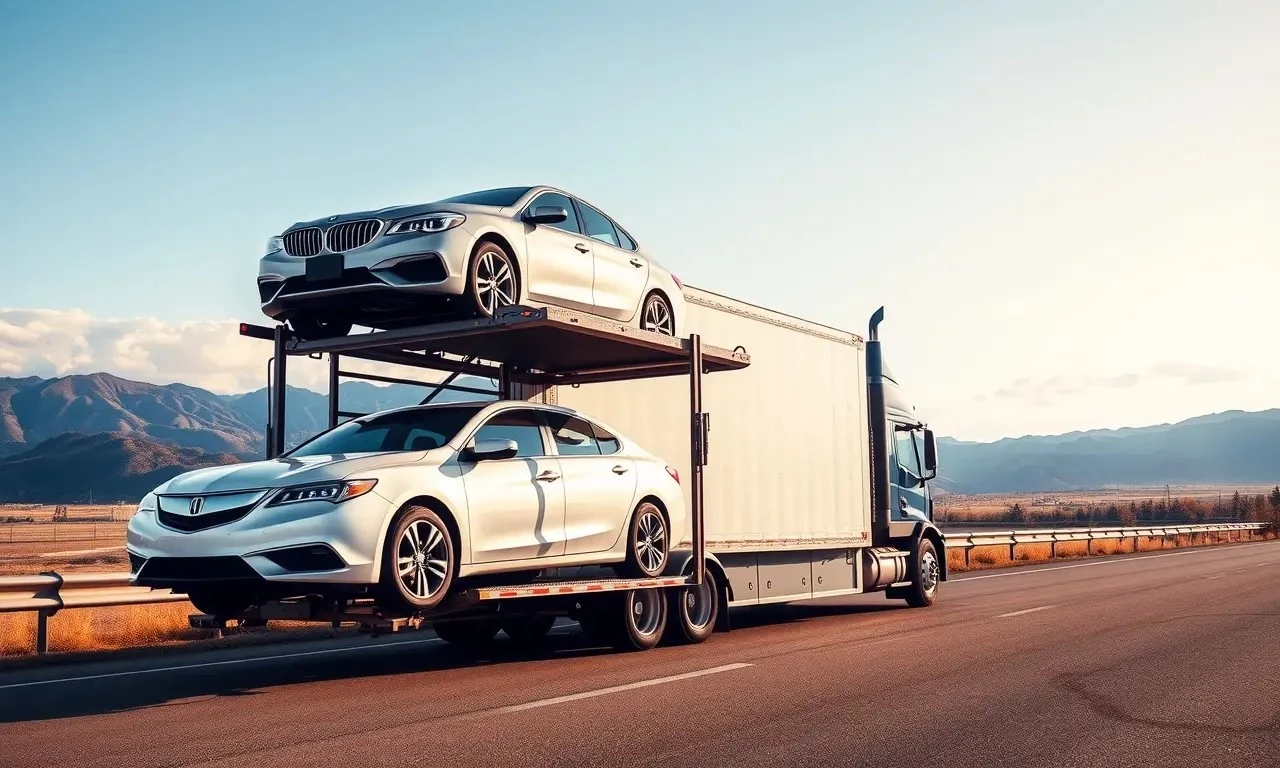
- Open Transport: This is the most economical option, where vehicles are transported on an open
trailer․ It’s suitable for standard cars but exposes them to weather and road conditions․ - Enclosed Transport: This option offers superior protection by transporting vehicles in a covered
trailer․ It is ideal for luxury, classic, or high-value cars, though it comes at a higher price․
Calculating a Cost Estimate
To obtain a precise cost estimate, it is advisable to contact a transport company directly․ They will
consider your specific requirements and provide a detailed breakdown of the expected costs․ Here’s how
transport companies typically calculate the cost:
- Determine the distance of the journey and calculate the base price per mile․
- Assess the vehicle’s dimensions and weight to adjust the base price accordingly․
- Factor in the type of transport (open or enclosed) selected by the customer․
- Include any additional services, such as expedited shipping or specific delivery options․
- Consider seasonal demand and adjust the quote if necessary․
Delivery Time and Options
The delivery time for cross-country car shipping varies based on the distance and the route taken․
Generally, it may take anywhere from a few days to over a week․ Here are some common delivery options:
- Standard Delivery: This is the most economical option, where vehicles are delivered within the
typical timeframe․ - Expedited Delivery: For an additional fee, you can expedite the process, reducing the wait time
for delivery․ - Guaranteed Delivery: Some companies offer guaranteed delivery dates for a premium, ensuring your
vehicle arrives by a specified time․
Understanding Fuel Costs and Mileage
Fuel costs are a significant component of shipping rates․ With fluctuating fuel prices, transport
companies must adjust their pricing to cover these expenses․ Additionally, the total mileage of the trip
directly influences the fuel consumption and overall cost of shipping․
Shipping Insurance and Protection
Shipping insurance is crucial to protect your vehicle during transit․ Most transport companies offer
basic insurance coverage, but you may opt for additional protection․ This coverage typically includes:
- Damage protection due to accidents or mishandling․
- Coverage for weather-related damage․
- Protection against theft or vandalism․
Choosing a Reliable Transport Company
Selecting the right transport company is essential to ensure a smooth and hassle-free shipping
experience․ Here are some tips to help you choose:
- Research multiple companies and compare their quotes and services․
- Read reviews and testimonials from previous customers․
- Verify the company’s credentials and ensure they are licensed and insured․
- Inquire about their experience with cross-country shipping and the types of vehicles they handle․
Shipping a car cross country is a significant undertaking that requires careful planning and consideration․
By understanding the factors that influence shipping rates and the various options available, you can
make an informed decision that best suits your needs․ Whether you prioritize cost, speed, or protection,
there is a transportation solution available to meet your requirements․ Always ensure to work with a reputable
and experienced transport company to ensure your vehicle arrives safely and on time․