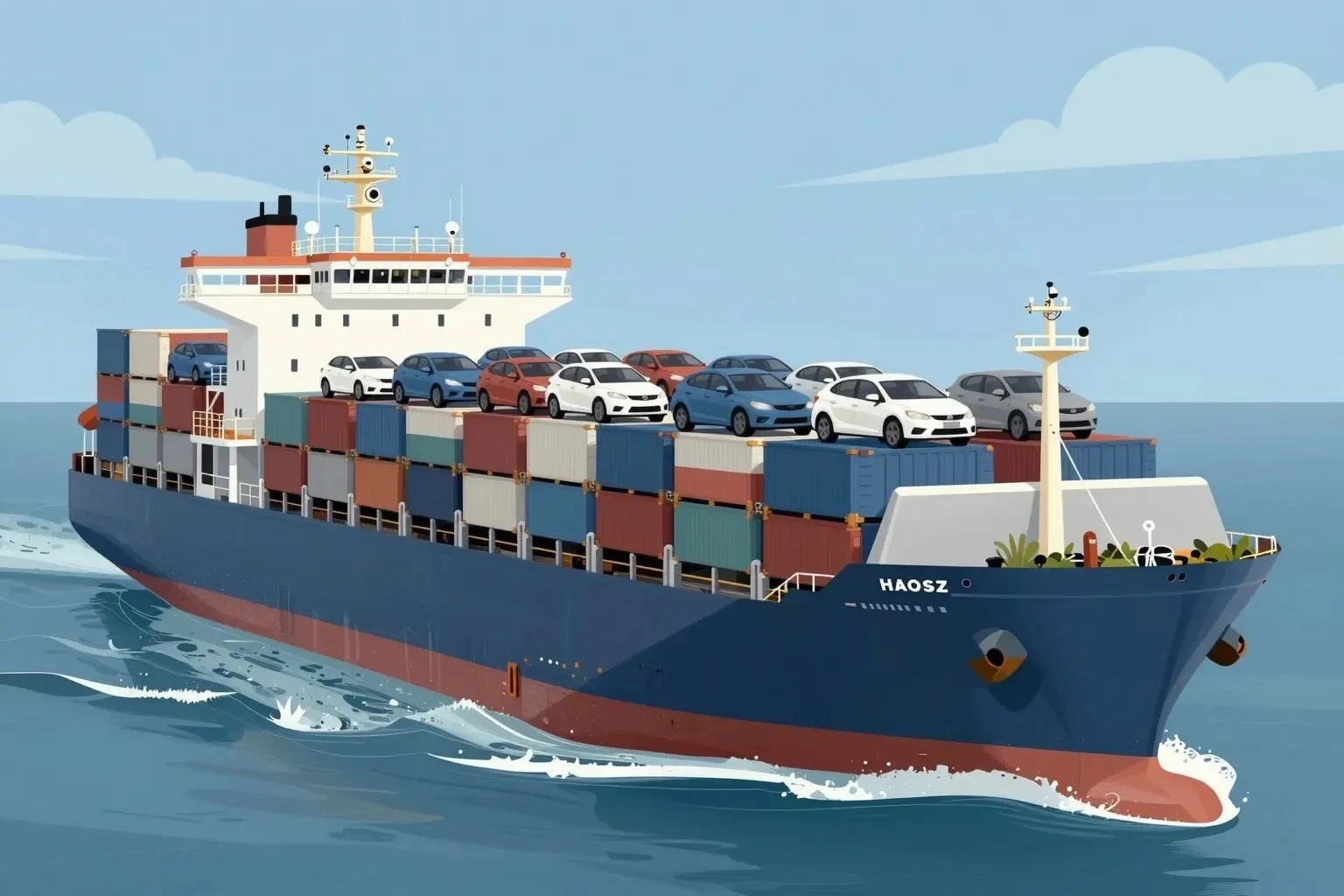
how to ship a car internationally
Shipping a car internationally can be a complex process involving numerous steps to ensure that your vehicle reaches its destination safely and in compliance with various regulations. This guide will provide a detailed overview of the key aspects to consider when planning for international shipping of a vehicle.
Understanding International Shipping for Vehicles
International shipping involves transporting goods across international borders, and when it comes to vehicle export, it requires special attention to detail due to the complexity of logistics, customs clearance, and import regulations. Whether you are relocating, selling a car overseas, or purchasing a vehicle from another country, understanding the nuances of car transportation is crucial.
Choosing the Right Method of Shipping
There are two primary methods for overseas transport of vehicles: container shipping and Roll-on/Roll-off (RoRo) service. Each method has its pros and cons, and your choice will depend on factors such as budget, destination, and the specific needs of your vehicle.
- Container Shipping: This method involves securing the vehicle inside a shipping container. It offers higher protection against weather and potential damage during transit. It is ideal for high-value or classic cars but can be more expensive than RoRo.
- RoRo Service: This service involves driving the vehicle onto a specialized ship designed for carrying cars. It is generally more cost-effective and convenient but offers less protection than container shipping. RoRo is suitable for standard vehicles.
Freight Forwarding and Shipping Logistics
Freight forwarding companies play a pivotal role in the shipping logistics of vehicle export. They handle the coordination of transport from the port of departure to the destination port, ensuring that all necessary arrangements are made for a smooth transit. A reliable freight forwarder can be instrumental in navigating the complexities of international shipping.
Navigating Import Regulations and Customs Clearance
One of the most challenging aspects of car transportation is dealing with import regulations and customs clearance. Each country has specific requirements and restrictions, which can affect the process and timeline of shipping your vehicle.
Documentation Requirements
Proper documentation is crucial for the successful export and import of a vehicle. Essential documents generally include:
- Original vehicle title and registration
- Bill of sale or purchase invoice
- Export declaration forms
- Import permits, if required by the destination country
- Proof of insurance coverage
Ensure all documents are prepared and verified ahead of time to avoid delays in customs clearance.
Understanding Transport Costs and Insurance Coverage
Transport costs can vary significantly based on factors such as the method of shipping, distance, and specific requirements of your vehicle. It is essential to obtain detailed quotes from multiple shipping companies to compare prices and services offered. Additionally, insurance coverage is a critical consideration. Comprehensive insurance provides peace of mind by covering potential damages during transit.
Factors Influencing Transport Costs
- Distance: Longer distances typically result in higher shipping costs.
- Vehicle Size and Weight: Larger and heavier vehicles may incur additional fees.
- Shipping Method: Container shipping is generally more expensive than RoRo.
- Destination Port Fees: Varying fees at different ports can affect overall costs.
Preparing Your Vehicle for International Shipping
Proper preparation of your vehicle is crucial to ensure its safe arrival at the destination port. Here are some essential steps to follow:
Pre-shipment Inspection and Maintenance
Conduct a thorough inspection of the vehicle to identify and address any mechanical issues. Ensure that the car is in good working condition before shipment. It is advisable to have a professional mechanic perform maintenance checks and necessary repairs.
Cleaning and Securing Personal Items
Remove all personal belongings from the vehicle, as they are not covered by insurance during transit. Clean the car inside and out to facilitate inspection processes at customs. Secure any loose parts and accessories to prevent damage during shipping.
Shipping a car internationally requires careful planning and execution to ensure a smooth and successful vehicle export. By understanding the intricacies of international shipping, choosing the right method of transport, navigating customs clearance, and preparing your vehicle adequately, you can minimize potential challenges and enjoy a hassle-free experience. Engaging with experienced freight forwarding companies and staying informed about import regulations will help you achieve a seamless transition for your vehicle to its new international destination.